



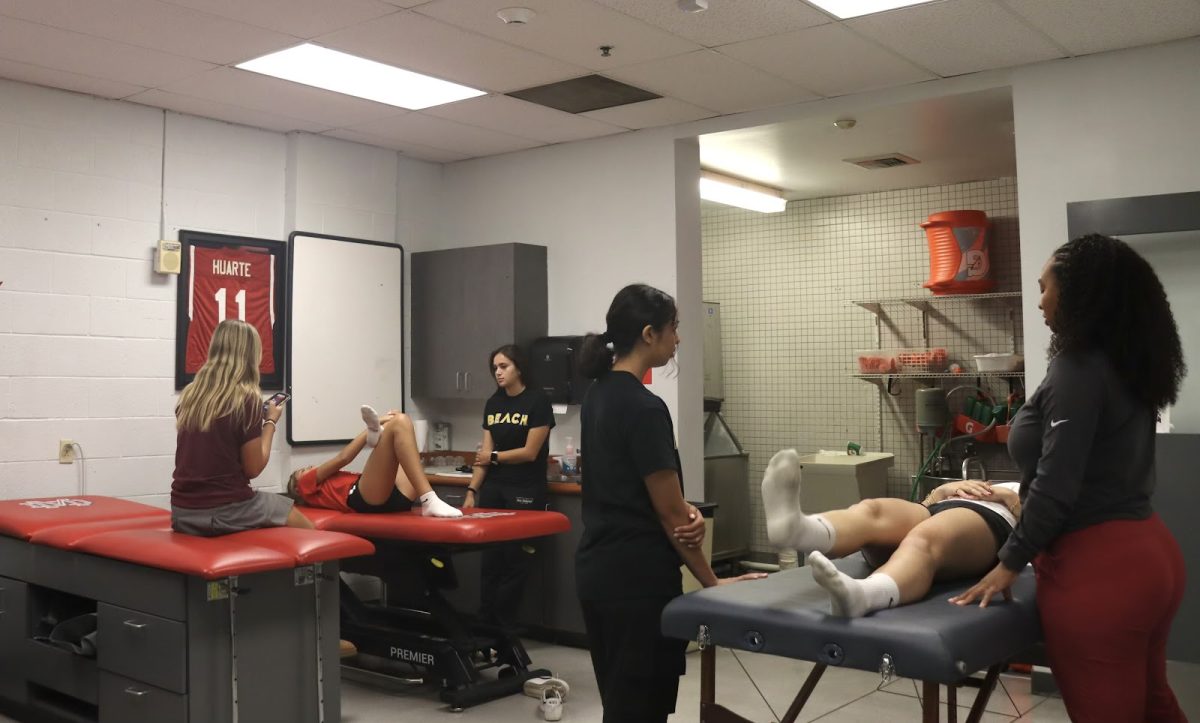
Injuries in sports occur frequently due to various factors, impacting athletes both physically and mentally, but they can often be prevented with proper care.
At Mater Dei, sports and athletic competitions are taken seriously. While having fun and enjoying the battle are essential parts of the game, ensuring the athletes’ well-being is just as crucial. Sports injuries are incredibly common and happen every day. If you are an athlete, it’s your responsibility to prepare your body, address injuries when they occur, and take the necessary steps to recover properly.
Athletes suffer injuries for a variety of reasons, including overuse, collisions, improper technique, or serious trauma such as sprains, fractures, strains, or concussions. Accidents are part of life, we cannot always control them. The best thing one can do when feeling pain is to address the problem right away.
Start by evaluating the severity of the pain. Ask: How intense is it on a scale from 1 to 10? If the pain is above a 7, stop immediately and consider seeing a doctor or professional trainer. This likely indicates a serious injury. If it falls between 4 and 6, stop playing and assess the situation. Moderate pain might worsen if you continue. At this point, the next step could involve rest, icing the area, or getting a quick evaluation by a coach or trainer. If the pain is mild—between a 1 and 3—communicate the discomfort to teammates and coaches. Together, decide whether it’s safe to continue or better to take a break. For example, athletes often play through muscle soreness during the throws of competition.
Paying close attention to the nature of any pain is essential to prevent it from getting worse. As an athlete, get to know your body, use past injury experience and how one handles pain to make informed decisions.
Mater Dei’s Boys and Girls Tennis Head Coach Adrian Games emphasizes the importance of addressing injuries promptly.
“You need to first evaluate the seriousness of the injury,” Games said. “Right away, you have to determine whether it’s something that they need to stop competing entirely for, or if it’s something that some people can play through. But if it’s something that could get worse, you have to stop immediately and diagnose it. It just depends on the injury itself and the severity.”
Once the severity of the injury has been identified, the athlete can begin planning for recovery. This typically involves doing targeted exercises to strengthen the muscles around the injured area, often through physical therapy (PT). However, rest remains the most important factor in healing. Rest allows the body to repair itself and can also offer a much-needed break in a busy schedule.
Healing might require reorganizing one’s daily routine, for example, incorporating PT sessions or shortening practice times to accommodate the recovery process.
Although taking a break is often the best way to recover, it can be tough on athletes—not just physically, but also mentally. For those who are passionate about their sport, sitting on the sidelines can be heartbreaking. They not only miss playing but often fear falling behind.
Senior Lidia Acalin, a former lacrosse and flag football player, shared her experience after a torn ACL that kept her out of the game for six months.
“It was really painful at first when I initially tore my ACL,” Acalin said. “And it was sad because the rest of my team got to continue playing the season and practicing after, and I was stuck on the sideline cheering.”
Mental recovery doesn’t end when an athlete returns to play. Coming back from a serious injury can be one of the toughest mental hurdles an athlete faces. An athlete may need to overcome fear and rebuild the confidence to compete again.
“I really believe that when people come back from injuries, it takes longer to get over the injury mentally than physically,” Games said. “Sometimes, they are good to go physically, but mentally, they have fear. They’re afraid to push off because they feel like it could come back any minute. So there is a mental recovery that takes probably longer than the physical.”
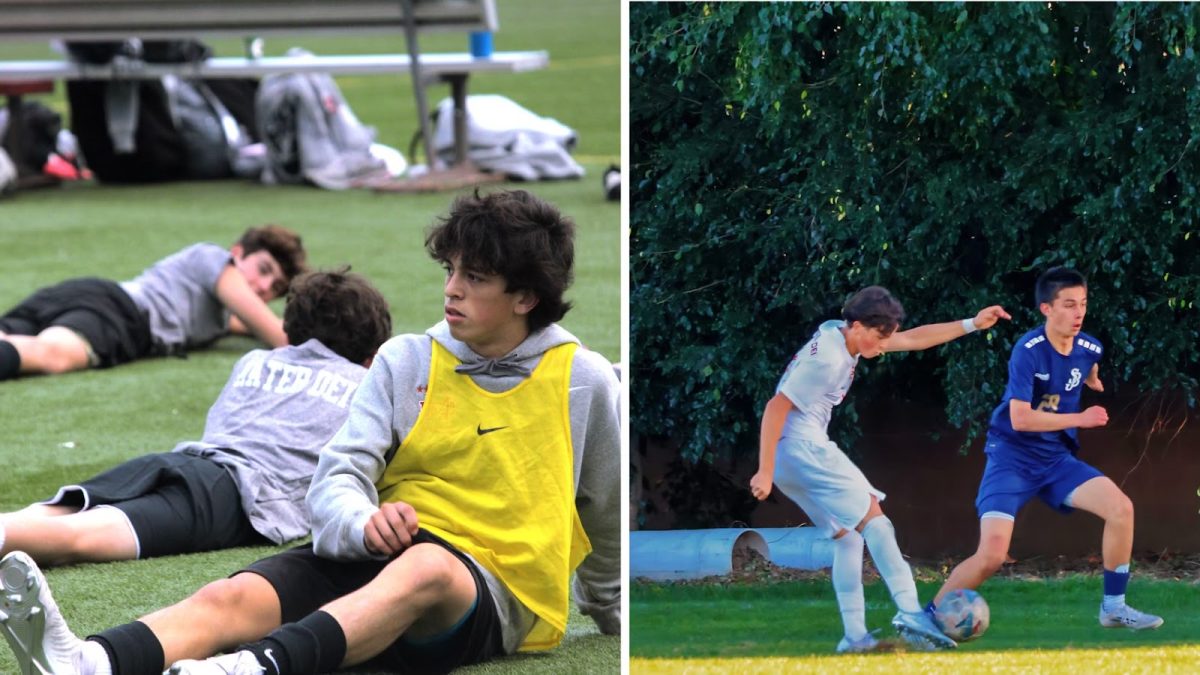
Even though injuries are common, athletes can take steps to reduce their risk. Preparing physically is key. A quality warm-up—including dynamic stretching, resistance bands, and a consistent routine—helps prepare muscles for intense activity.
Proper technique and training are also essential. For example, if a baseball player repeatedly swings with improper form, they may develop elbow strain over time.
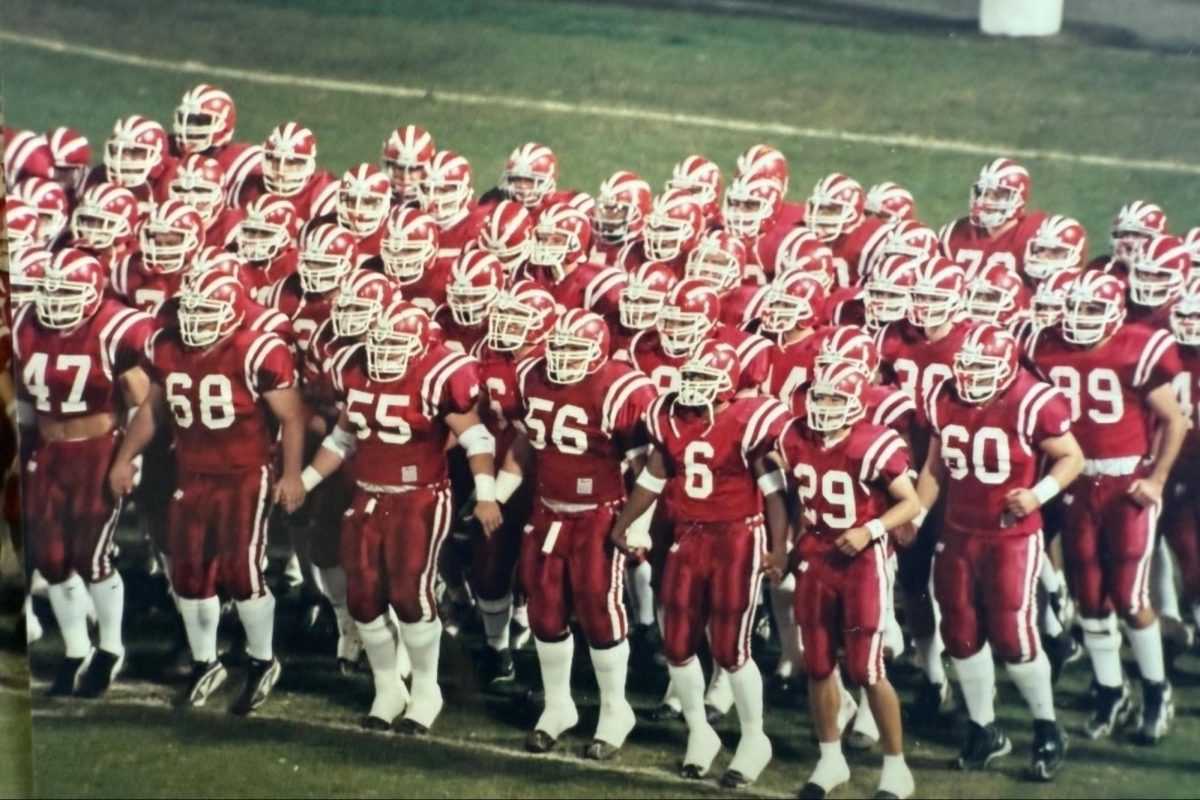
In contact sports like football and lacrosse, wearing protective gear and using safe equipment can significantly lower the risk of injury.
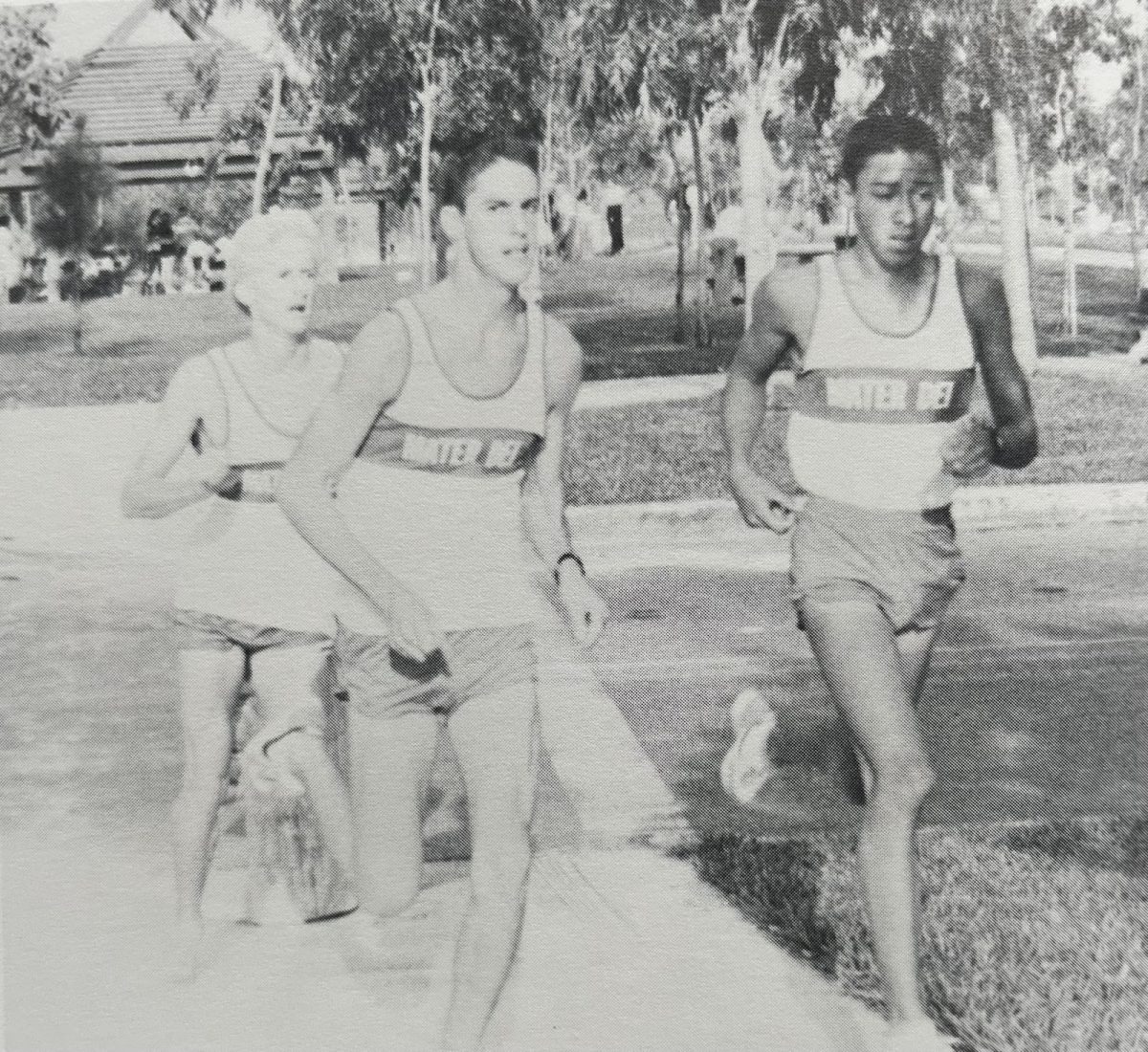
Finally, a solid cool-down routine helps prevent soreness and prepares the body for the next day. A proper cool-down may include a light jog to reduce heart rate, static stretching, hydration, nutrition, and even occasional massages or PT.
Sports injuries can sideline athletes and disrupt their daily lives. They take a mental toll, causing fear and anxiety about returning. But with the proper preparation, awareness, and recovery practices, these injuries can be managed—and in many cases, prevented. Coaches, trainers, and athletes will all agree: taking care of your body is essential for long-term success and enjoyment in sports.

![GET UP Students laugh and dance at a school rally. All the events and rallies hosted by ASB help bring students together and make school an enjoyable place to be. Senior Maddy O’Connor believes ASB keeps everything together and the school spirit alive. “A lot of things wouldn't be as organized [without ASB] and it'd be kind of boring,” O’Connor said. “ASB brings joy to Mater Dei, and pretty much [all things] cool.”](https://thescarletscroll.com/wp-content/uploads/2026/05/HEIF-Image-1200x800.jpeg)
![OUT OF THE PARK Sophomore Ally Roman takes a swing during her sixth game of the spring season. On Wednesday, Mar. 18, the JV softball team faced Villa Park in a tough matchup. “ I've made a lot [of sacrifices for softball],” senior Savanah Duncan said. “It takes up a lot of time, especially playing at a high level. I would say you have to sacrifice a lot of your time and a lot of outside activities, because a lot of time is just spent on the softball field.”Photo courtesy of Ali DePhillips.](https://thescarletscroll.com/wp-content/uploads/2026/04/HEIF-Image-10-800x1200.jpeg)






![NOTHING BUT NET Junior Harmony Golightly #5 faces off against opposing Orange Lutheran athletes. When challenged, Golightly learns to adopt leadership habits and take charge in difficult situations. “We have leaders on the team,” Golightly said. “They're able to speak up, encourage others, and [help us] to be better.” Photo by Natalie Flores.
NOTHING BUT NET Junior Harmony Golightly #5 faces off against opposing Orange Lutheran athletes. When challenged, Golightly learns to adopt leadership habits and take charge in difficult situations. “We have leaders on the team,” Golightly said. “They're able to speak up, encourage others, and [help us] to be better.”](https://thescarletscroll.com/wp-content/uploads/2026/04/HEIF-Image-1-1200x800.jpeg)
![SERVE’S UP Sophomore Scarlett Dickerson serves a ball over the net. On Feb. 26, Mater Dei’s Girls Beach Volleyball Team went against Fountain Valley High School. Dickerson explains the athletic ability needed for this sport and the difference between beach and indoor volleyball. “You need to be explosive to jump higher in the sand, and you need to be getting [most] of the balls because there's only two people on the court,” Dickerson said.](https://thescarletscroll.com/wp-content/uploads/2026/03/HEIF-Image-2-1200x1008.jpeg)

![A LEGACY OF COMPETITION The Trinity League brings together some of the strongest high school programs in the country, each with its own history, culture, and pride. Year after year, these schools push each other to higher standards, shaping a league known not just for winning, but for character and community. Coaches, students, and alumni all play a role in keeping that reputation alive. “From the time it [the Trinity League] was formed, public schools did not want to play us because we are dominant in so many sports,” Perry said. “That’s why they voted
for us to become our own league.”](https://thescarletscroll.com/wp-content/uploads/2026/02/HEIF-Image-1200x1200.jpeg)
![PROGRESS–ONE LIFT AT A TIME Strength Coach Reagan Appleby instructs Varsity Girls Water Polo as they prepare to begin their weight training. After the recent changes, athletes have responded well and continue to work hard. “I feel like we've struggled when we haven't enforced discipline,” Appleby said. “Now that we have a standard and rules that they have to go by, there's less showing in the [wrong] attire, and less showing up late.”](https://thescarletscroll.com/wp-content/uploads/2026/01/HEIF-Image-1-1200x800.jpeg)