![SERVE’S UP Sophomore Scarlett Dickerson serves a ball over the net. On Feb. 26, Mater Dei’s Girls Beach Volleyball Team went against Fountain Valley High School. Dickerson explains the athletic ability needed for this sport and the difference between beach and indoor volleyball. “You need to be explosive to jump higher in the sand, and you need to be getting [most] of the balls because there's only two people on the court,” Dickerson said.](https://thescarletscroll.com/wp-content/uploads/2026/03/HEIF-Image-2-1200x1008.jpeg)
Around 1915, beach volleyball was created as a social pastime played along the shore. As the sport grew in popularity, it gradually evolved into a competitive activity by the 1930s. On the international stage, beach volleyball became an official Olympic medal sport in 1996. More recently, the California Interscholastic Federation (CIF) approved beach volleyball as a CIF-sanctioned sport in February 2021, with its inaugural high school season beginning in the spring of 2022.
Despite its growth, many people still fail to recognize beach volleyball as a legitimate athletic sport. In reality, the game demands a combination of endurance, agility, and resilience. Because the sport is played outdoors, athletes must compete in constantly changing conditions such as sand, wind, and sun. These environmental factors add an element of unpredictability, testing players’ versatility and stamina.
Freshman Sofia Manapat is on the beach volleyball team and was on the indoor volleyball team as well. She states the differences between the two forms of volleyball and how beach volleyball can actually be more difficult.
“[Beach volleyball] will help you train more,” Manapat said. “The beach, although it’s different, makes you work harder because it’s only two people on a court.”
Not only is beach volleyball a very physical sport, but it is also very psychologically demanding. Players must be able to analyze opponents, adapt to their surroundings, and maintain focus on the ball, even amid many environmental distractions. To recover from mistakes, they need to be aware of their surroundings and make quick decisions in order to bounce back. Manapat speaks on the mental aspect of the sport:
“The way to be a good player is to have a lot of patience as well as confidence,” Manapat said. “Your attitude also reflects on your ability to work with others on the court and the willingness to utilize both you and your partner’s skills.”
Many people who are unfamiliar with beach volleyball often view it as inferior to indoor volleyball. The two variations are always compared, even when most of their aspects differ. For example, indoor volleyball is played with six players who each have more specialized positions, while beach volleyball contains only two players on a court, and each player must handle serving, setting, attacking, and defending.
Director of Family Relations Whitney LeVecke ‘02 helped launch the Girls Beach Volleyball program into a CIF sport in 2022. She emphasizes the underestimation of the skill level required for beach volleyball compared to indoor volleyball.
“You just have to be an all-around player,” LeVecke said. “You have maybe somebody who only hits, doesn’t pass back row, not a defender [in indoor volleyball]. [Beach volleyball players] have to be able to do everything.”
Although beach volleyball is still a relatively new high school sport, it continues to grow in recognition and opportunities for student-athletes. Beyond competitions, the sport also helps students build valuable life skills. LeVecke explains that these talents are attainable by anyone who plays this sport.
“Playing any sport can make the development and growth of a student and an independent, strong person happen,” LeVecke said. “Being part of a team also prepares you for the future of jobs. Maybe [there are] professors that are pretty tough, or there are bosses that you don’t like. It’s a good little preparation for all of that.”

![GET UP Students laugh and dance at a school rally. All the events and rallies hosted by ASB help bring students together and make school an enjoyable place to be. Senior Maddy O’Connor believes ASB keeps everything together and the school spirit alive. “A lot of things wouldn't be as organized [without ASB] and it'd be kind of boring,” O’Connor said. “ASB brings joy to Mater Dei, and pretty much [all things] cool.”](https://thescarletscroll.com/wp-content/uploads/2026/05/HEIF-Image-1200x800.jpeg)
![OUT OF THE PARK Sophomore Ally Roman takes a swing during her sixth game of the spring season. On Wednesday, Mar. 18, the JV softball team faced Villa Park in a tough matchup. “ I've made a lot [of sacrifices for softball],” senior Savanah Duncan said. “It takes up a lot of time, especially playing at a high level. I would say you have to sacrifice a lot of your time and a lot of outside activities, because a lot of time is just spent on the softball field.”Photo courtesy of Ali DePhillips.](https://thescarletscroll.com/wp-content/uploads/2026/04/HEIF-Image-10-800x1200.jpeg)






![NOTHING BUT NET Junior Harmony Golightly #5 faces off against opposing Orange Lutheran athletes. When challenged, Golightly learns to adopt leadership habits and take charge in difficult situations. “We have leaders on the team,” Golightly said. “They're able to speak up, encourage others, and [help us] to be better.” Photo by Natalie Flores.
NOTHING BUT NET Junior Harmony Golightly #5 faces off against opposing Orange Lutheran athletes. When challenged, Golightly learns to adopt leadership habits and take charge in difficult situations. “We have leaders on the team,” Golightly said. “They're able to speak up, encourage others, and [help us] to be better.”](https://thescarletscroll.com/wp-content/uploads/2026/04/HEIF-Image-1-1200x800.jpeg)
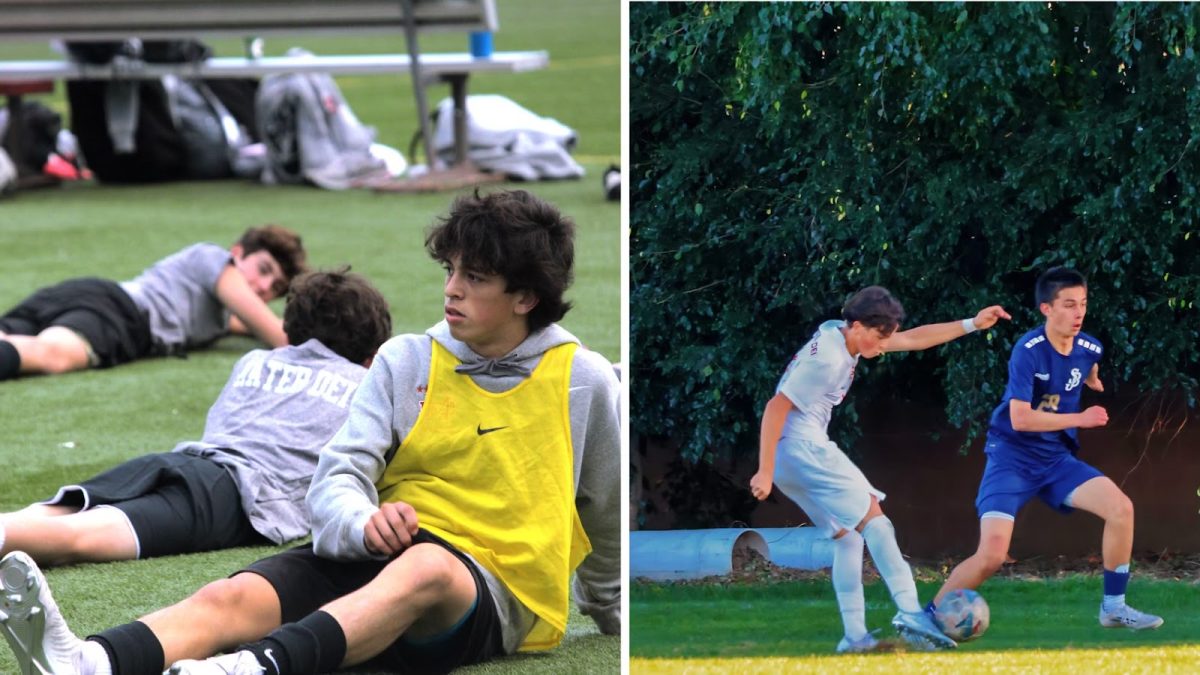

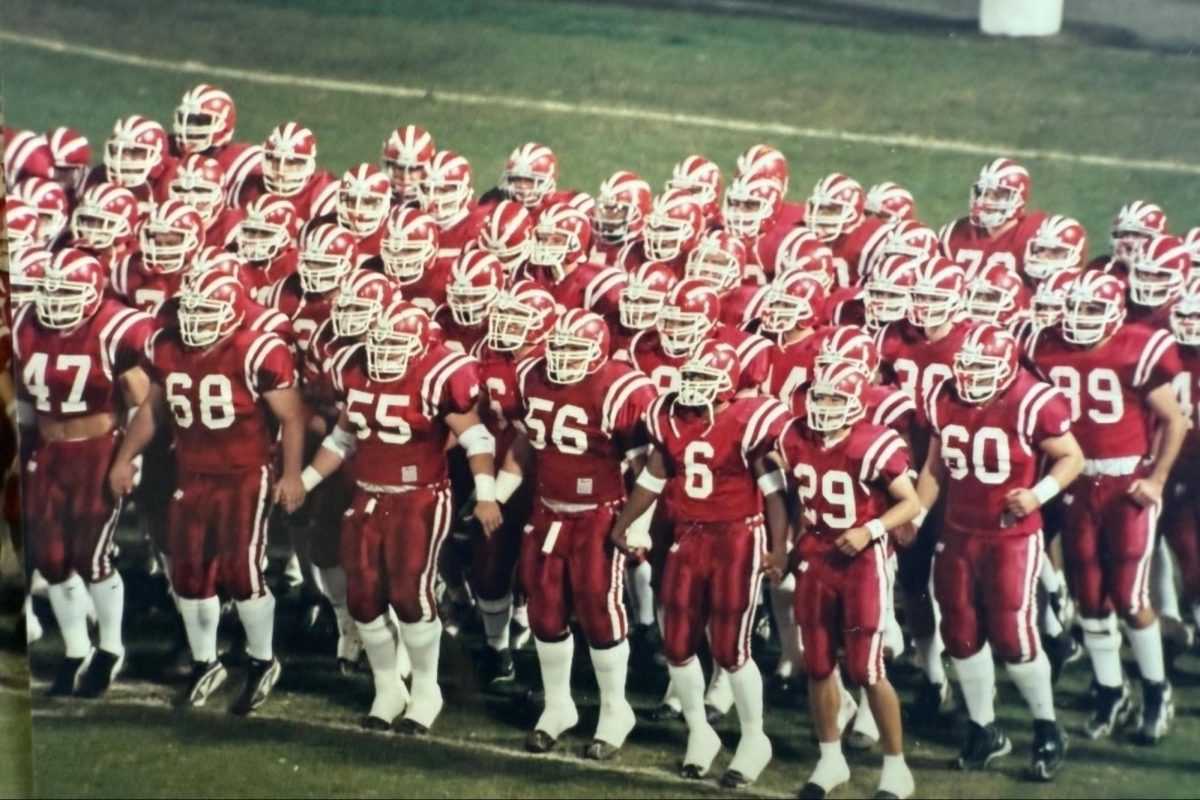
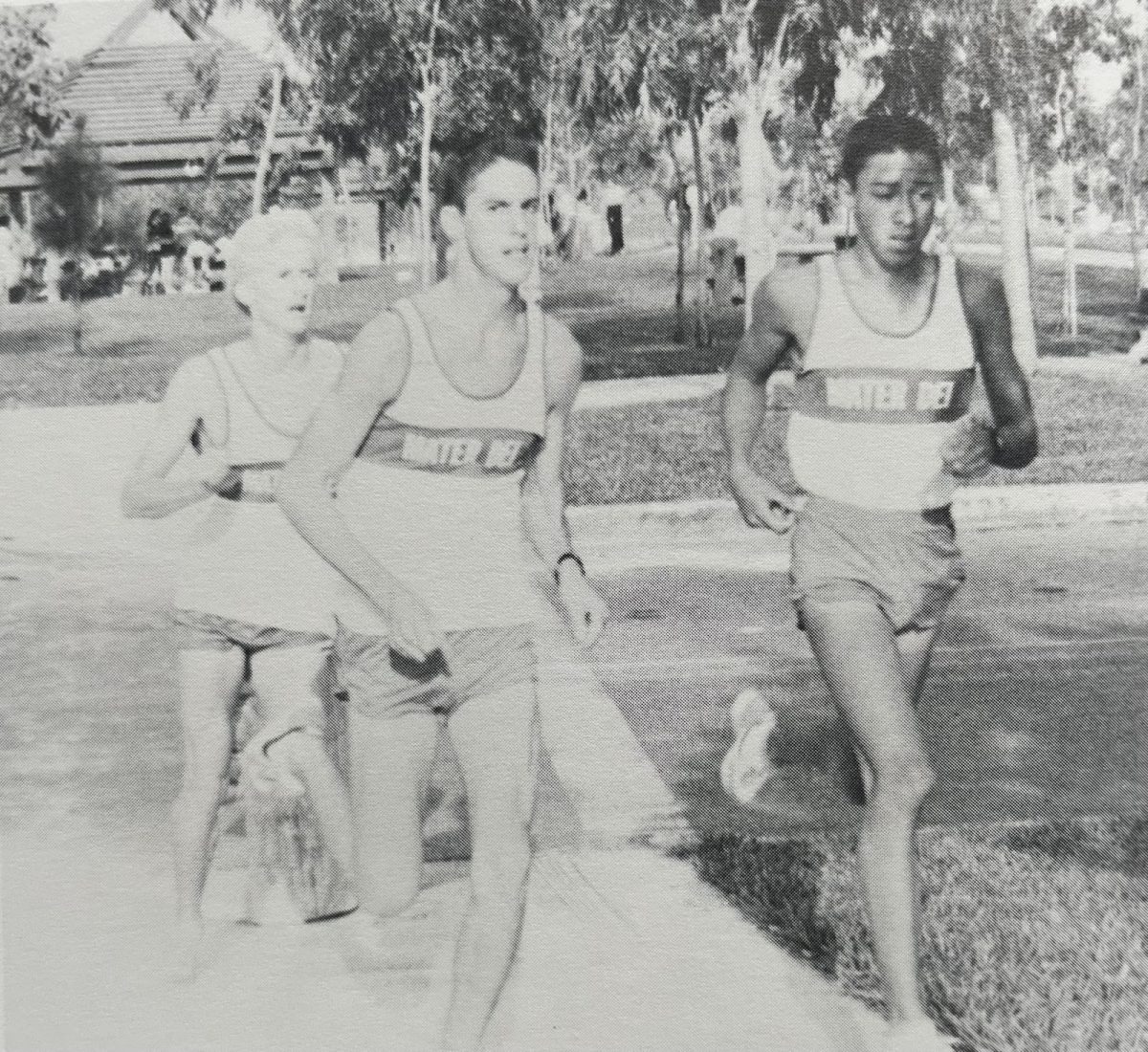
![A LEGACY OF COMPETITION The Trinity League brings together some of the strongest high school programs in the country, each with its own history, culture, and pride. Year after year, these schools push each other to higher standards, shaping a league known not just for winning, but for character and community. Coaches, students, and alumni all play a role in keeping that reputation alive. “From the time it [the Trinity League] was formed, public schools did not want to play us because we are dominant in so many sports,” Perry said. “That’s why they voted
for us to become our own league.”](https://thescarletscroll.com/wp-content/uploads/2026/02/HEIF-Image-1200x1200.jpeg)
![PROGRESS–ONE LIFT AT A TIME Strength Coach Reagan Appleby instructs Varsity Girls Water Polo as they prepare to begin their weight training. After the recent changes, athletes have responded well and continue to work hard. “I feel like we've struggled when we haven't enforced discipline,” Appleby said. “Now that we have a standard and rules that they have to go by, there's less showing in the [wrong] attire, and less showing up late.”](https://thescarletscroll.com/wp-content/uploads/2026/01/HEIF-Image-1-1200x800.jpeg)