For some, volunteering can be seen as a burden; it’s another assignment to complete or a procedure to follow. When Mater Dei students are introduced to the 80-hour service requirement, they initially express negative sentiment towards community service. As they begin volunteering and putting their faith into action, many realize it isn’t just another duty to fulfill. Service can foster a greater sense of community and connection between individuals from separate walks of life and become a driving force for empathy and selflessness. To maximize the benefits of community service and have the greatest impact, students just have to take the first step: muster up the courage to start.
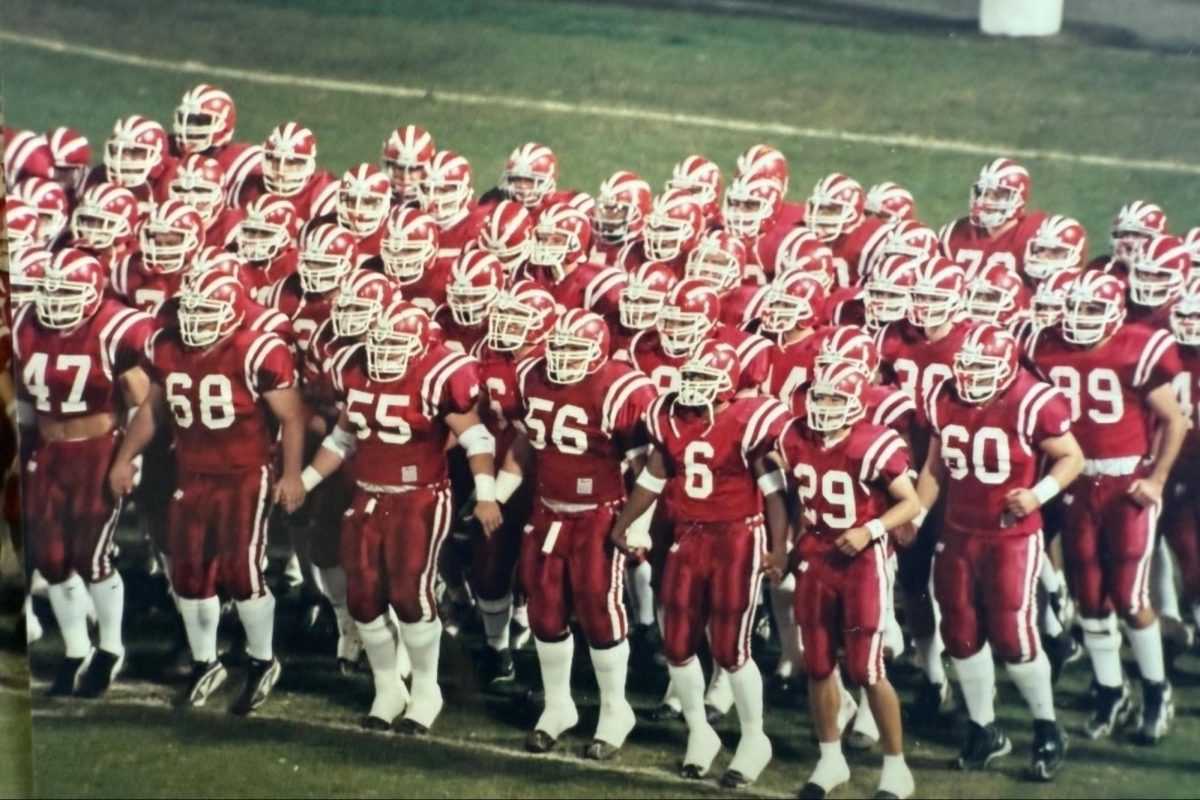
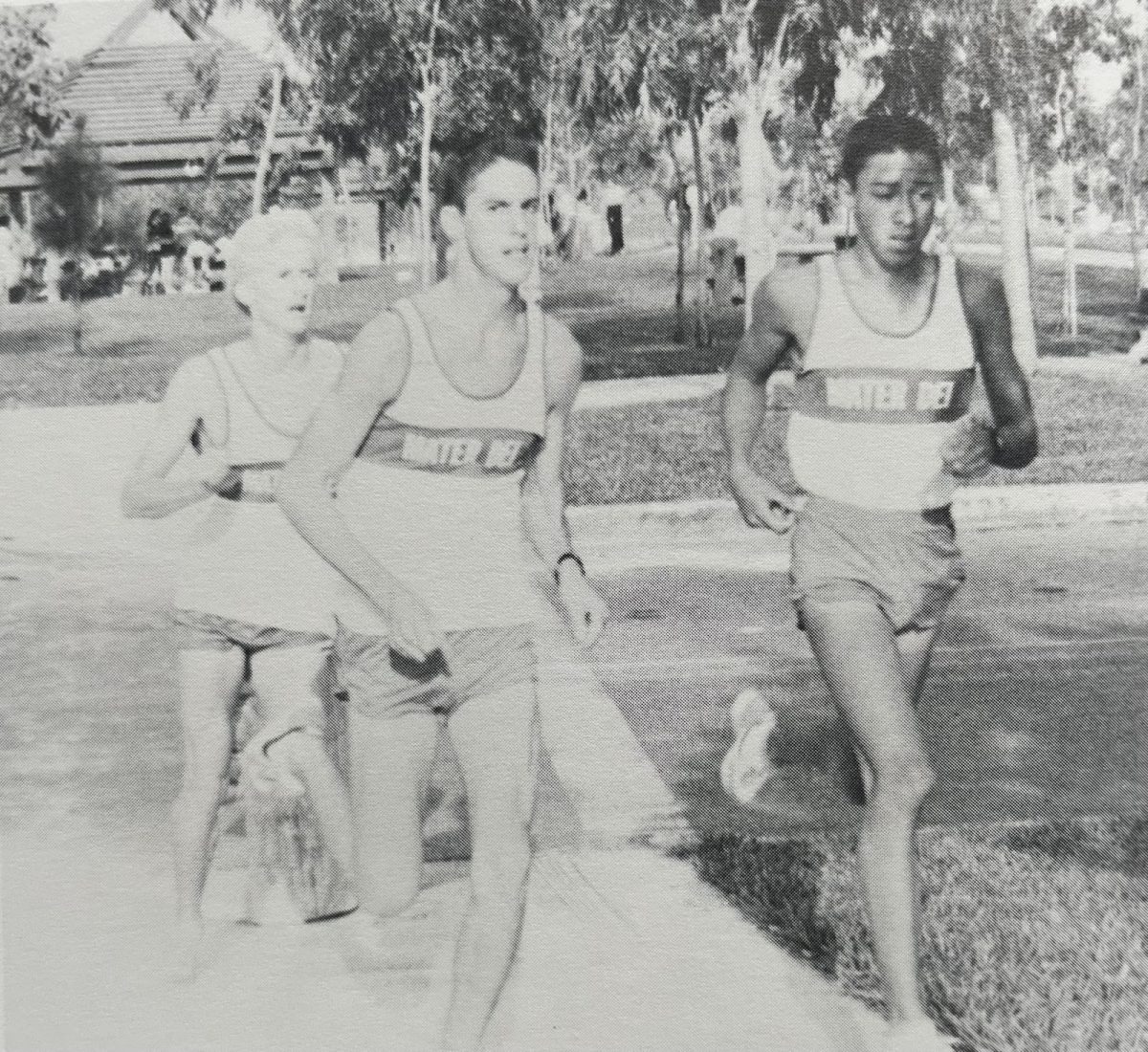
While many high schools strongly recommend community service and often give incentives, such as graduation cords and stoles, Mater Dei deviates from this norm. Since the 1980s, Mater Dei has instituted a mandatory service-hour graduation requirement to encourage student contributions to the greater Orange County community. Although the way Mater Dei has logged volunteer hours and tracked accountability has changed over the years, the message has always remained the same: Mater Dei’s Christian Service Program was designed to give students the opportunity to put their faith into action, outside of the classroom. Director of Christian Service and Outreach Maurissa Talarico ‘93 gives further insight into Mater Dei’s philosophy of community volunteering.
“Mater Dei High School has their service hour requirement because [of] the idea [that] you’ll put your faith into action [after] learning about Catholic social teaching and [the] Gospel message in the classroom,” Talarico said. “Christian service is not just service hours; [it] is meant to be an expression of faith in action.”
Mater Dei’s volunteering policy of 10 hours a semester directly relates to its religious studies curriculum. In the classroom, students can study the corporal works of mercy, including serving the poor, feeding the hungry, and visiting the sick. Although students have countless opportunities to study these teachings, they can be most easily accomplished off-campus and in the real world. By putting this philosophy into practice, students can not only gain an understanding of others but also have moments of gratitude.
“You learn how blessed you are,” Talarico said. “[Volunteering] gives you a vantage point of how much you may have been given just by the family you were born into or by the resources that surround you. We often take many things for granted, and when I’m sitting in front of our seniors who are preparing for graduation, they’ll say to me, ‘I’m grateful. I realize I have all of these opportunities [and] resources I took for granted.’”
Service can be a gift for both the volunteer and the recipient. Students can share their unique gifts with others and develop and participate in a community with similar interests. The personal fulfillment a volunteer can have is extensive; from using their inherent, God-given talents, students can contribute to causes they care about. Huntington Beach High School junior Haley Dang shares her motivation to volunteer, although her school does not enforce a service requirement.
“My favorite thing about volunteering is that it has allowed me to connect with others,” Dang said. “I have met so many amazing people through volunteering, whether they were volunteers like me or the people I was serving. It’s awesome to be working towards a common goal.”
Although community service can contribute significant benefits to a student’s high school experience and give them exposure to their local community, many educators and students disagree on whether service should be highly recommended or mandatory. Administrators often state their rationale for such policies by citing life skills, civic responsibility, and employability. Volunteering can be seen as an opportunity to broaden one’s experiences, improve community collaboration, and apply critical thinking in the real-world.
“I think all high schools should have [a volunteering requirement],” Talarico said. “I think there’s a place for service to break open what’s being learned in [the classroom]. Every subject is enhanced by getting out in the community and serving your brothers and sisters who are in need.”
Students often argue that service should be sincere and genuine. When schools administer mandatory volunteering, students often feel inclined to only meet the minimum-hour requirement rather than contribute to their communities. Volunteers with this unmotivated mindset and lack of interest can ultimately decrease the quality of their service. The mandatory requirements and the need to “check off the box” for graduation may be a contributing factor to why students view volunteering as a chore rather than as a passion.
“I don’t think high schools should have a service hour requirement,” Dang said. “I think a big part of community service is that you are volunteering your time. It should be a student’s own desire to help their community, not a requirement. That’s how they will get the most benefit. Personally, I don’t really like [it] when people volunteer just for the hours or title.”
Despite having a mandatory service policy, Mater Dei combats this unmotivated mindset towards volunteering with its countless service opportunities. Once a semester, Mater Dei invites organizations onto campus to appeal to its students with varying interests. If a student grows a passion and connection for one of these organizations or any others, they are more likely to continue volunteering and serving their community in a meaningful way. Mater Dei Senior Lucy Heit, an avid volunteer, speaks about her community service experience and how she was introduced to her chosen organization.
“Going into RAD camp, I already had my service hours completed through an organization called Lighthouse,” Heit said. “Lighthouse is a weekly event for adults with special needs to come and hang out that I have been attending since middle school. While I was at the service fair promoting Lighthouse, RAD Camp sat next to our table, and it sounded like something I’d enjoy doing because of my experience in that community.”
Whether a student advocates for or against the implementation of service hour requirements at high schools, the benefits of service are unquestionable. While some schools integrate service learning into their curricula and others just provide opportunities, the chief goal remains the same. From building connections with others to improving one’s communication skills, volunteering can create a positive societal impact, even if it’s just one individual at a time.
“The selfless reason is to give back to your community,” Dang said. “Every person that you reach through volunteering has a real impact. There are so many things you can gain out of volunteering too: Communication skills, friendships, [and] leadership development. All of these qualities are so important in life, and it’s wonderful that we have the opportunity to do so while helping others at the same time.”
![GET UP Students laugh and dance at a school rally. All the events and rallies hosted by ASB help bring students together and make school an enjoyable place to be. Senior Maddy O’Connor believes ASB keeps everything together and the school spirit alive. “A lot of things wouldn't be as organized [without ASB] and it'd be kind of boring,” O’Connor said. “ASB brings joy to Mater Dei, and pretty much [all things] cool.”](https://thescarletscroll.com/wp-content/uploads/2026/05/HEIF-Image-1200x800.jpeg)
![OUT OF THE PARK Sophomore Ally Roman takes a swing during her sixth game of the spring season. On Wednesday, Mar. 18, the JV softball team faced Villa Park in a tough matchup. “ I've made a lot [of sacrifices for softball],” senior Savanah Duncan said. “It takes up a lot of time, especially playing at a high level. I would say you have to sacrifice a lot of your time and a lot of outside activities, because a lot of time is just spent on the softball field.”Photo courtesy of Ali DePhillips.](https://thescarletscroll.com/wp-content/uploads/2026/04/HEIF-Image-10-800x1200.jpeg)


![ONE LAST RIDE The latest installment of Stranger Things has sparked controversy throughout the fan base for questionable creative decisions. Freshman Jordan Nguyen states his strong opinions on the conclusion. “I’d rate the show an 8,” Nguyen said. “The majority of the show was good. [Towards the end of the last season], it all just fell apart. A lot of questions were [left unanswered] and I was just disappointed.”](https://thescarletscroll.com/wp-content/uploads/2026/02/HEIF-Image-9-1200x800.jpeg)

![SPINNING INTO FUN The iconic Ferris wheel at the Irvine Spectrum stands glimmering in the sun, drawing visitors from all over Orange County. A favorite destination for Mater Dei students, the Spectrum offers endless opportunities for shopping, dining, and entertainment. “[It’s] a lot of fun,” sophomore Matthew Delaney said. “[And] everything is close by, so it’s a great way to pass the hours.” Photo by](https://thescarletscroll.com/wp-content/uploads/2025/02/IMG_1117.jpeg)
![A YEAR IN REVIEW
Between Nov. and Dec. 2024, 57 respondents voted for their favorite songs, artists, and albums. Every category had multiple options, and each one faced tight competition as the artists Sabrina Carpenter, Kendrick Lamar, and Billie Eilish battled for the top spots. Students like senior Payton Bauer encourages others to check out other popular singers, if they haven’t already. “I would say [listen to Carpenter] if you're [wanting to] feel good about yourself,” Bauer said. “Or maybe you just want something to work out or dance to. [Her music is] really fun.”](https://thescarletscroll.com/wp-content/uploads/2025/02/Orange-Black-Why-Vinyl-Records-Rock-Music-Infographic-e1738774839991.png)