The phone ban at Mater Dei has become a monumental new aspect and topic of conversation within student life on campus. With this new regulation, students are not permitted to use their phones from the first to the last bell of the day, unless given permission from a dean or teacher. Student opinion on the new rule is vastly differing ranging from finding it quite problematic to indifference. The school and its administration recognizes the entertainment benefits of phones but feels they inhibit both learning and student interaction when used during the school day. The administration has tried to offset the limitations by adding more exciting activities around the LeVecke Center, such as ping pong, board games, and spirit activities.
Freshman Braden Monroy has very neutral opinions towards this new phone regulation and believes it affects upperclassmen more rather than students in his own grade. In some scenarios, he struggles with communication and lack of entertainment at lunch, but he also states that phones are a distraction in classrooms and act as a barrier to learning as it is another potential distraction when listening and staying on task.
“Personally, I’ve gotten much of my work done without a phone, but the phone ban helps,” Monroy said.
This lack of lunch-time communication through text and social media is also a downside of the phone ban. Monroy thinks that being able to communicate with friends online during free time is ingrained into everyday life and should not have been taken away.
“Not being able to communicate with friends and family through social media at lunch is not the best,” Monroy said.
Freshman Maximus Chilleen points out that the phone ban mostly benefits the classroom and has many advantages in this setting. On the other hand, he thinks that students should have access to their cellular devices during lunch. Chilleen feels that when phones are taken away, it gives students a desire to use them even more. In addition, he thinks that seeking out friends at lunch in the crowded Shamrock Plaza and LeVecke Center is more difficult without the ability to call them.
“In a way, I believe that it has been harder to find friends at lunch because you have to physically find them instead of just being able to call them,” Chillean said.
Assistant Principal of Faculty Services Molly Chase believes that this newly-created rule was needed to reduce distractions and create a more professional and connected environment for students. Chase has seen improvements in school-wide behavior and collaboration both inside and outside the classroom. Teachers have also reported an increase in student focus throughout class time. Almost all teachers are onboard with the phone ban, and very few teachers have asked students to use their phones specifically for a given lesson.
“I have heard from other teachers that there has been an improvement in attention spans and many [teachers] are encouraged,” Chase said.
Chase states that phones are now so integrated into our daily lives, she believes that imposing clearer restrictions will improve students’ academic performance and study habits.
“[Conflicts] were happening with phones in class and outside of classes,” Chase said. “[We needed to show that] we can exercise that ability, to know when to put them away. We just need to take a stand as a school.”
Overall, the Monarch community contains an array of perspectives on the use of phones at school and when they should be used. Mater Dei is working to provide a way to use phones as an academic tool in student life, as they become an integral part of today’s society.
![GET UP Students laugh and dance at a school rally. All the events and rallies hosted by ASB help bring students together and make school an enjoyable place to be. Senior Maddy O’Connor believes ASB keeps everything together and the school spirit alive. “A lot of things wouldn't be as organized [without ASB] and it'd be kind of boring,” O’Connor said. “ASB brings joy to Mater Dei, and pretty much [all things] cool.”](https://thescarletscroll.com/wp-content/uploads/2026/05/HEIF-Image-1200x800.jpeg)


![WHAT’S TRENDING Being test-optional does not truly mean “optional.” Although some top schools continue the “test blind” policy in their admissions process, the number of accepted students who submitted test scores is substantially more than those who chose not to. Because of the rising number of competitive applicants vying for admission at top universities, an excellent ACT or SAT score can make all the difference and be a valuable predictor of how an individual will perform at the college level. “I really do think that the SAT [and ACT] can be more helpful than harmful most of the time,” Mater Dei School Counselor Marybeth Nguyen said. “The college just wants to know that you're going to be successful there.” Photo Illustration by Kayla Hofman.](https://thescarletscroll.com/wp-content/uploads/2026/02/HEIF-Image-12-1200x675.jpeg)
![ONE LAST RIDE The latest installment of Stranger Things has sparked controversy throughout the fan base for questionable creative decisions. Freshman Jordan Nguyen states his strong opinions on the conclusion. “I’d rate the show an 8,” Nguyen said. “The majority of the show was good. [Towards the end of the last season], it all just fell apart. A lot of questions were [left unanswered] and I was just disappointed.”](https://thescarletscroll.com/wp-content/uploads/2026/02/HEIF-Image-9-1200x800.jpeg)
![BUILDING THE FUTURE: Plans to build tennis courts and a new Performing Arts Center will be started and completed in the coming years. This will benefit students and athletes alike as they will enhance both the Athletic and Performing Arts Departments and bring much-needed venues and state-of-the-art spaces to campus. “You want to be rooted in that tradition of the school when [it comes to] these projects, we’ve always got to be innovating and moving forward,” Vice President of School Relations Scott Melvin said. Mock Renderings courtesy of Mater Dei High School.](https://thescarletscroll.com/wp-content/uploads/2026/06/Mater-Dei-Tennis-Court-and-PAC-e1780632956112-1200x672.jpg)



![GAME ON The Mater Dei Esports Team competes against each other. The Esports team competes not only against each other but also against many other schools. They compete by playing popular video games like Valorant, Super Smash Bros, and Fortnite. Jimenez and his teammates support the ongoing gaming legacy in hopes of keeping it strong in the future. “Ultimately, [I coach] because of my love for video games, and my passion for having an opportunity to be part of a team,” Jimenez said. Photo courtesy of Paloma Navaro.](https://thescarletscroll.com/wp-content/uploads/2026/01/HEIF-Image-2-1200x900.jpeg)
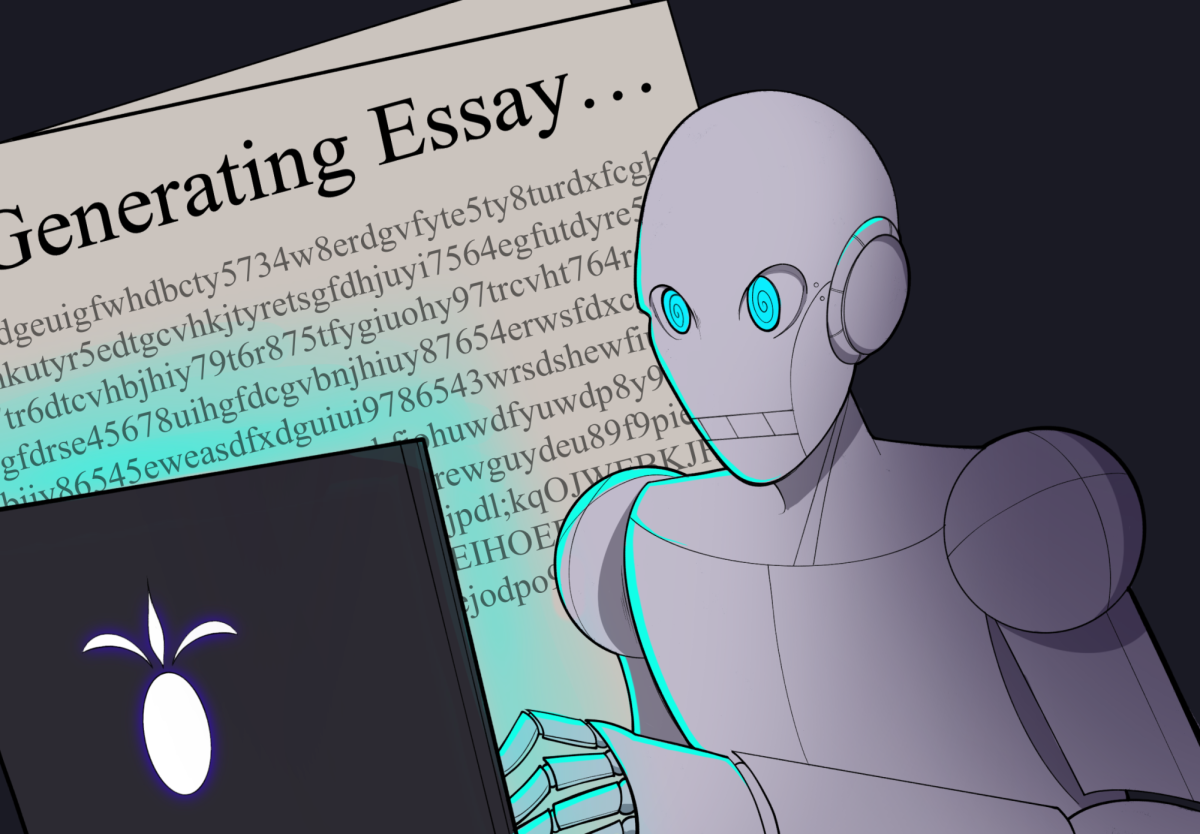
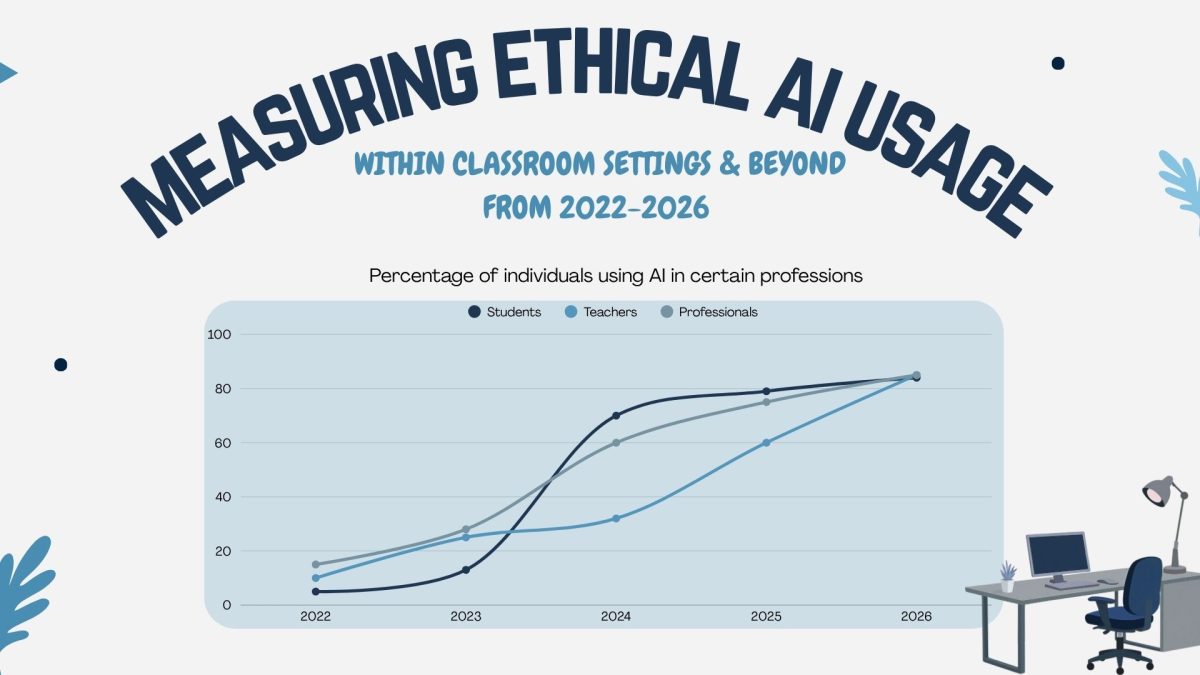
![AN AI FOR EDUCATION
Sophomore Sofia Rudolf scrolls through Magic School AI’s many features. Rudolf enjoys using tools such as the writing feedback option, in order to gain a new perspective on her work. “I do like the writing feedback [tool],” Rudolf said. “It gives you good input to help elaborate on some stuff.”](https://thescarletscroll.com/wp-content/uploads/2025/02/IMG_1752-1200x676.jpeg)